
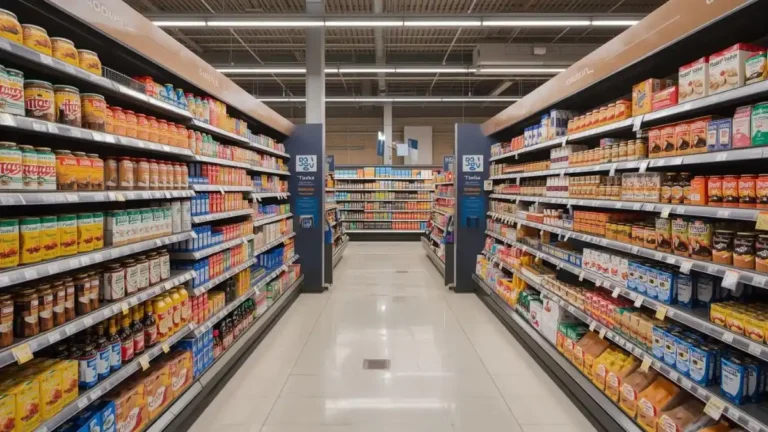

Germany hosts one of the most advanced private-label manufacturing ecosystems in Europe. Supermarkets and discounters across the region rely on specialised producers. These producers make store-brand products that compete directly with global consumer brands.
Retail chains such as Aldi, Lidl, Rewe and Edeka depend heavily on contract manufacturers. They supply goods sold under private labels:
- Beverages
- Dairy products
- Condiments
- Packaged foods
- Household goods
This article examines the Top 10 Private Label Manufacturers in Germany. They are ranked using a hybrid method that combines manufacturing scale, structural relevance to retail supply chains and production capabilities.
The companies analysed are Krüger Group, Hochwald Foods, Wernsing Food Family, Develey Senf & Feinkost, Dalli Group, Zentis, Fuchs Gruppe, Stern-Wywiol Gruppe, RAPS Group and Laurens Spethmann Holding.
Top 10 Private Label Manufacturers in Germany — Overview
| Rank | Company | Headquarters | FY Revenue | Structural Role | Supermarket Relevance |
|---|---|---|---|---|---|
| 1 | Krüger Group | Bergisch Gladbach | ~€2.2B (FY2024) | Food & beverage manufacturing | Beverage and nutrition private labels |
| 2 | Hochwald Foods | Thalfang | €2.01B (FY2024) | Dairy cooperative | Milk and dairy private labels |
| 3 | Wernsing Food Family | Essen (Oldenburg) | ~€1.9B (FY2024 est.) | Chilled food production | Ready meals and salads |
| 4 | Develey Senf & Feinkost | Unterhaching | ~€1.2B (FY2024 est.) | Condiments manufacturing | Sauces and mustard private labels |
| 5 | Dalli Group | Stolberg | ~€850M (FY2024 est.) | Household and personal care production | Store-brand detergents |
| 6 | Zentis | Aachen | ~€800M (FY2024 est.) | Fruit preparations | Jam and dessert private labels |
| 7 | Fuchs Gruppe | Dissen am Teutoburger Wald | ~€650M (FY2024 est.) | Spice and seasoning production | Private label spices |
| 8 | Stern-Wywiol Gruppe | Hamburg | ~€620M (FY2024 est.) | Ingredient systems | Product development partner |
| 9 | RAPS Group | Kulmbach | ~€500M (FY2024 est.) | Food technology and seasoning systems | Ingredient support for retailers |
| 10 | Laurens Spethmann Holding | Seevetal | ~€500M (FY2024 est.) | Tea and cereal manufacturing | Private label beverages and breakfast products |
1. Krüger Group
- Founded: 1971
- Headquarters: Bergisch Gladbach, Germany
- FY Revenue: about €2.2 billion (FY2024)
- Employees: around 5,700
Core Segments
- Instant beverages
- Nutritional powders and supplements
- Chocolate and confectionery ingredients
- Private label beverage manufacturing
Operational Relevance
Krüger Group is one of the largest private label beverage manufacturers in Europe.
The company produces powdered drinks, instant coffee mixes, cocoa beverages and nutritional supplements. These are sold under retailer brands across several markets.
Its manufacturing facilities supply supermarkets and discounters with large volumes of beverage products. These are designed to match the quality of branded alternatives while keeping prices competitive.
The company lets retailers launch private label drinks across categories such as hot beverages, protein powders and fortified drinks.
Market Position
Within the European private label ecosystem, Krüger Group holds a leading position in powdered beverage and nutrition categories.
Its manufacturing infrastructure and research capacity let retailers develop new products quickly.
The company operates several production facilities in Europe. These support distribution to supermarket chains throughout the region.
Strategic Direction
Krüger continues investing in functional nutrition and fortified beverage production. Growth in health-focused supermarket categories has increased demand for protein drinks, vitamin powders and wellness beverages.
Private label manufacturers that can produce these products at scale are becoming increasingly important partners for retailers.
2. Hochwald Foods
- Founded: 1932
- Headquarters: Thalfang, Germany
- FY Revenue: €2.01 billion (FY2024)
- Employees: around 3,800
Core Segments
- Milk and dairy beverages
- Cream and condensed milk
- Yogurt and dairy desserts
- Private label dairy products
Operational Relevance
Hochwald Foods is one of Germany’s largest dairy cooperatives. It is a key supplier of private label dairy products to supermarkets.
The cooperative processes milk from member farmers and manufactures a wide range of dairy products.
Retailers rely on Hochwald to supply store-brand milk, cream and canned dairy products that appear in supermarkets across Europe.
Market Position
Dairy products are essential supermarket categories. This makes Hochwald’s role in the retail supply chain especially significant.
The cooperative structure lets the company keep strong relationships with dairy producers while running large processing facilities.
This scale supports the consistent supply of private label dairy products.
Strategic Direction
Hochwald continues investing in dairy processing technology and export growth. Demand for European dairy products has increased in international markets. This is encouraging the company to expand production capacity.
Private label dairy ranges are also growing in importance for supermarkets.
3. Wernsing Food Family
- Founded: 1969
- Headquarters: Essen (Oldenburg), Germany
- FY Revenue: about €1.9 billion (FY2024 estimate)
- Employees: about 4,500
Core Segments
- Potato products
- Chilled ready meals
- Fresh salads
- Private label convenience foods
Operational Relevance
Wernsing Food Family produces chilled food products supplied to supermarkets and foodservice operators. The company specialises in ready-to-eat meals, potato products and fresh salads.
These categories are widely sold under supermarket private labels. This makes Wernsing an important partner for European retailers.
Market Position
The company has become one of Germany’s largest producers of chilled convenience foods. Its logistics network supports refrigerated distribution to supermarkets across several countries.
Retailers depend on manufacturers such as Wernsing to supply consistent fresh products.
Strategic Direction
Convenience foods remain one of the fastest-growing supermarket categories. Wernsing continues investing in packaging innovation and new meal formats designed for busy consumers.
4. Develey Senf & Feinkost
- Founded: 1845
- Headquarters: Unterhaching, Germany
- FY Revenue: about €1.2 billion (FY2024 estimate)
- Employees: about 2,400
Core Segments
- Mustard products
- Sauces and condiments
- Salad dressings
- Private label sauce production
Operational Relevance
Develey Senf & Feinkost is widely known for producing mustard and sauces supplied to retailers and foodservice customers. The company also manufactures private label condiment products for supermarket chains.
Condiments are staple items in grocery ranges. Many store-brand mustard and sauce products come from manufacturers such as Develey.
Market Position
Develey operates production facilities across Europe and has a strong reputation for sauce manufacturing. Its experience in recipe development lets retailers create competitive private label condiments.
Strategic Direction
Demand for new sauce flavours and international cuisines is encouraging further product innovation. Retailers increasingly expand private label sauce ranges to compete with global brands.
5. Dalli Group
- Founded: 1845
- Headquarters: Stolberg, Germany
- FY Revenue: about €850 million (FY2024 estimate)
- Employees: about 2,000
Core Segments
- Laundry detergents
- Household cleaning products
- Personal care products
- Private label manufacturing
Operational Relevance
Dalli Group manufactures detergents, soaps and personal care products for both branded and private label markets. Supermarkets across Europe sell store-brand detergents made by contract manufacturers such as Dalli.
Household cleaning products are among the most important private label categories. They let retailers offer lower-priced alternatives to branded goods.
Market Position
Dalli has built a strong reputation in the European detergent manufacturing sector. Its production facilities let retailers develop store-brand household products with consistent quality.
Strategic Direction
Sustainability regulations are shaping the future of household product manufacturing. Dalli continues investing in environmentally friendly detergent formulas and recyclable packaging.
6. Zentis
- Founded: 1893
- Headquarters: Aachen, Germany
- FY Revenue: about €800 million (FY2024 estimate)
- Employees: around 2,000
Core Segments
- Fruit preparations
- Jams and spreads
- Dessert ingredients
- Private label fruit products
Operational Relevance
Zentis is a major supplier of fruit-based ingredients used in yogurts, bakery products and jams. The company produces fruit preparations for both food manufacturers and supermarket private labels.
Retailers often offer store-brand jam products made by companies like Zentis.
Market Position
Zentis has built a strong reputation in the European fruit processing sector. Its experience in fruit preparation technology lets the company support both retail and industrial customers.
Strategic Direction
Fruit-based products remain popular in breakfast and dessert categories. Zentis continues investing in fruit sourcing and processing innovation.
7. Fuchs Gruppe
- Founded: 1952
- Headquarters: Dissen am Teutoburger Wald, Germany
- FY Revenue: about €650 million (FY2024 estimate)
- Employees: about 3,200
Core Segments
- Spices and seasonings
- Culinary herbs
- Foodservice spice products
- Private label spice manufacturing
Operational Relevance
Fuchs Gruppe produces spices and seasonings supplied to both branded markets and supermarket private labels.
Spices are a basic grocery category. Retailers often offer store-brand alternatives to national spice brands.
Manufacturers such as Fuchs provide the production expertise needed to keep products consistent across large retail networks.
Market Position
The company operates production facilities in several countries. It supplies spice products to retailers throughout Europe.
Strategic Direction
Demand for global flavours and new culinary trends continues to grow. Fuchs is expanding product development capabilities to support these trends.
8. Stern-Wywiol Gruppe
- Founded: 1980
- Headquarters: Hamburg, Germany
- FY Revenue: about €620 million (FY2024 estimate)
- Employees: around 1,600
Core Segments
- Functional food ingredients
- Baking systems
- Nutritional formulations
- Product development solutions
Operational Relevance
Stern-Wywiol Gruppe focuses on ingredient systems used by food manufacturers. It is not mainly a finished-goods producer. Even so, its formulations support the development of many private label food products.
Market Position
The company operates internationally and works with manufacturers and retailers on food innovation.
Strategic Direction
Research into plant-based ingredients and functional nutrition remains a major focus for the group.
9. RAPS Group
- Founded: 1924
- Headquarters: Kulmbach, Germany
- FY Revenue: about €500 million (FY2024 estimate)
- Employees: around 900
Core Segments
- Seasonings and spice blends
- Food technology systems
- Functional ingredients
- Product development support
Operational Relevance
RAPS provides seasoning systems and technical solutions used by food manufacturers producing private label goods.
Market Position
The company plays an important role within the European food manufacturing ecosystem.
Strategic Direction
RAPS continues investing in food technology innovation and product formulation.
10. Laurens Spethmann Holding
- Founded: 2007
- Headquarters: Seevetal, Germany
- FY Revenue: about €500 million (FY2024 estimate)
- Employees: around 1,200
Core Segments
- Tea production
- Breakfast cereals
- Sweeteners and health foods
- Private label beverages
Operational Relevance
Laurens Spethmann Holding is known for its tea manufacturing operations, including the OTG brand. The company also produces private label tea and cereal products for retailers.
Market Position
Tea remains a major supermarket category in Europe. Private label products account for a large share of sales.
Strategic Direction
The company continues expanding into health-focused beverage products and natural sweeteners.
Structural Analysis: Private Label Growth in Germany
Germany’s strong manufacturing base and advanced logistics infrastructure have helped it become a major centre for private label production.
Retailers depend on manufacturers that can produce large volumes of products at consistent quality levels.
Private label products let supermarkets compete with global consumer brands while offering lower prices to consumers. As a result, retailers increasingly expand store-brand ranges across food, beverages and household goods.
Manufacturers specialising in contract production provide the infrastructure needed to support these strategies.
Frequently Asked Questions
Which is the largest private label manufacturer in Germany?
Krüger Group ranks first, with revenue of about €2.2 billion in FY2024. It is one of Europe’s largest private label beverage manufacturers.
Which German retailers rely on private label manufacturers?
Retail chains such as Aldi, Lidl, Rewe and Edeka depend heavily on contract manufacturers. These supply beverages, dairy, condiments, packaged foods and household goods sold under private labels.
Who makes private label dairy in Germany?
Hochwald Foods, one of Germany’s largest dairy cooperatives, is a key supplier. It reported €2.01 billion in FY2024 revenue and supplies store-brand milk, cream and canned dairy.
Conclusion
The Top 10 Private Label Manufacturers in Germany show how the country’s industrial ecosystem supports supermarket store brands across Europe.
Large producers such as Krüger Group, Hochwald Foods and Wernsing Food Family operate extensive manufacturing networks. These supply private label products to retailers.
These manufacturers operate within a wider industrial system that connects FMCG in Germany with food processing, ingredient suppliers and retail distribution networks.
Many of these companies also work closely with the country’s packaging in Germany sector. Together they develop retail-ready products that meet supermarket requirements for sustainability, shelf life and logistics efficiency.
Supermarket chains continue expanding store-brand ranges. Partnerships between retailers, manufacturers and suppliers will remain an essential part of the European grocery supply chain.
Editor’s Note: This article is based on publicly available company disclosures and industry data. Revenue figures refer to the most recent available fiscal year, primarily FY2024, with estimates used where private companies do not publish audited financial statements.
Currency references are in euros unless otherwise stated.








